
Category: Witnessing
-

On Mormon Misconceptions: Sin and Divine Love
By seeing that she was a sinner (not just a good person who did bad things occasionally) Sandra Tanner came to see the depth of her need for salvation in Christ, and how amazing it was that God first loved her in that state.
-

Postmodern Trends in Mormonism
A conversation on how Mormon truth claims, once considered absolute by LDS leaders and believers, are now watered down into a flavor of relativism that is not consistent with their past.
-

Sandra Tanner’s Advice to Exiting Mormons
Sandra reminds us that if LDS truth claims were not actually true, then neither were our former presumptions about Christianity. After stepping back from Joseph Smith, we can meet Jesus anew and read the Bible with different eyes.
-
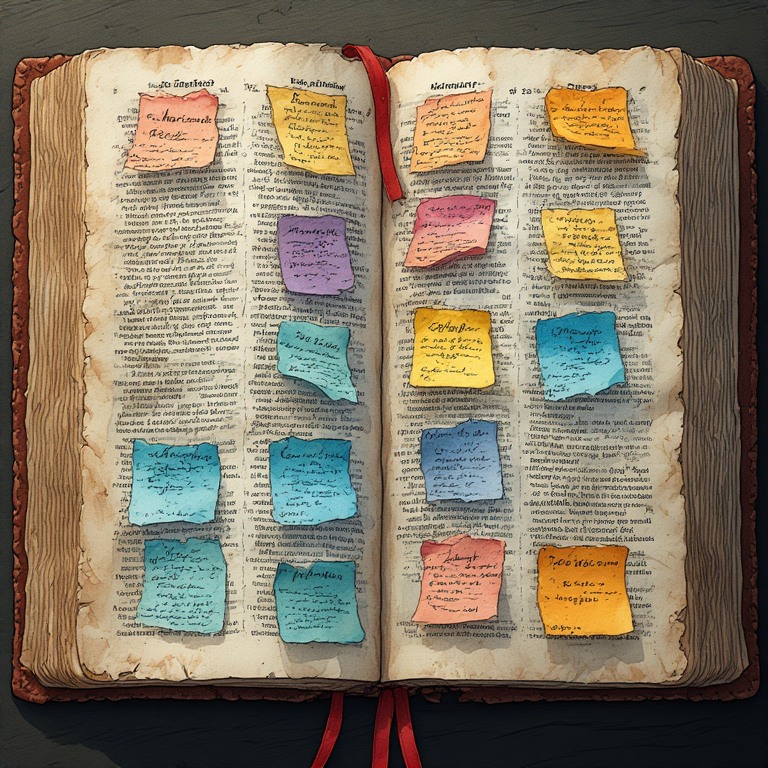
Revelations, Policies, Doctrines, and Decrees
Different categories of pronouncements by LDS leadership ideally reflect different levels of ‘official-ness,’ but they also provide convenient room for denying the same.
-

The Legacy of Cults and Spiritual Abuse
Sandra Tanner participates in a roundtable discussion of the dangers of pseudo-Christian religions and the struggles of healing, even after coming to Christ, as illustrated by the personal stories of fellow panelists.
-
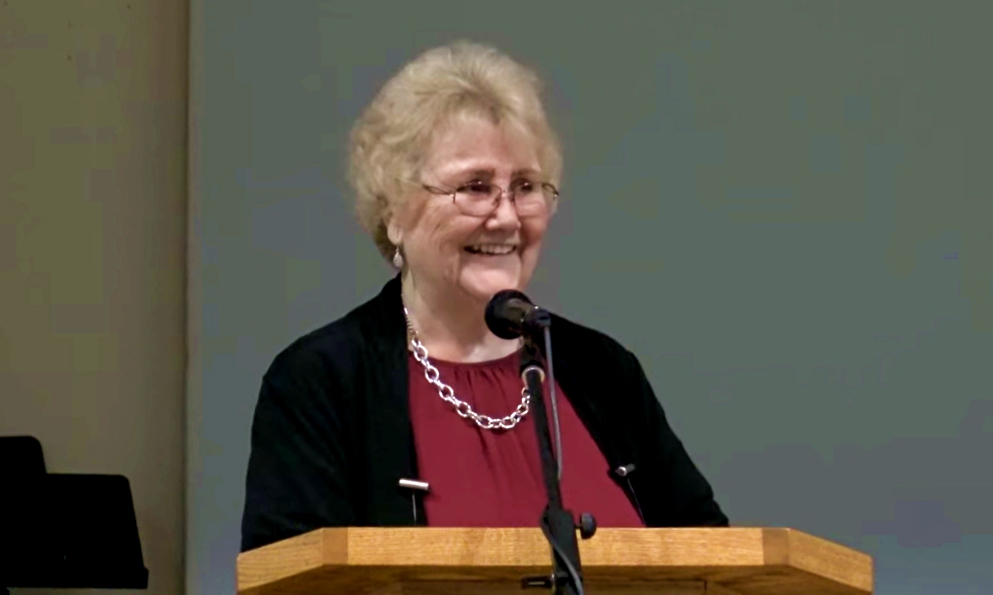
A Biblical Look At Mormonism (6-part lecture series by Sandra Tanner)
Sandra Tanner speaks on six key teachings of the LDS church, which contrast with biblical Christianity.
-

Mormonism and the Gospel
A look at the traditional Mormon views of the gospel, Christians, and Jesus, and their fundamental differences with historic Christianity.
-
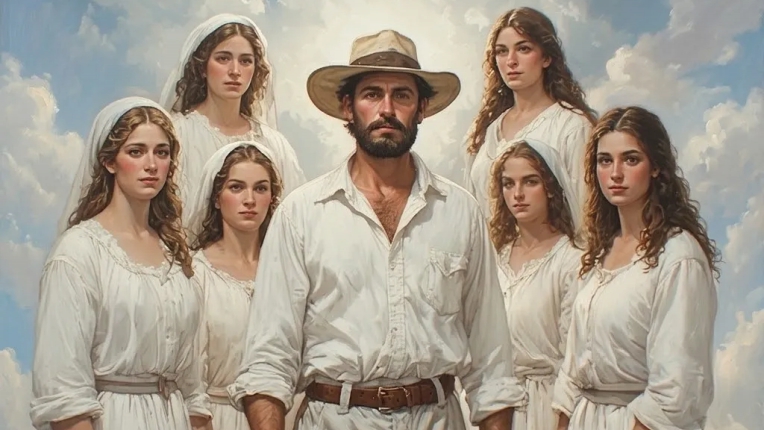
LDS Leaders Still Believe There Will be Polygamy in Heaven
By Sandra Tanner Plural marriage was first introduced into Mormonism by Joseph Smith in the 1830’s. It is a common misconception to think of the practice of polygamy as starting with Brigham Young and the Mormon’s trip west. Even though Joseph Smith had already married several women, he did not dictate his famous revelation on…
-
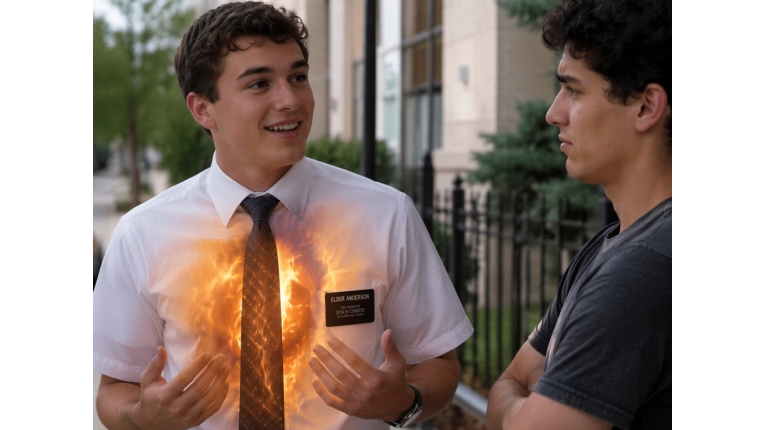
The Mormon Testimony
For Latter-day Saints, one’s testimony is the main determination of truth, rather than biblical fidelity or consistency with past revelation. This subjective standard differs from the objective approach modeled in the Bible.
-

Where Did Joseph Smith Get His Ideas for the Book of Mormon?
A partial list of books published prior to 1830 dealing with the American Indians, which saturated the intellectual environment of Joseph Smith’s day, to one extent or another.