
Category: LDS Sermons/Talks/Interviews
-

Revelations, Policies, Doctrines, and Decrees
Different categories of pronouncements by LDS leadership ideally reflect different levels of ‘official-ness,’ but they also provide convenient room for denying the same.
-

Brigham Young Sermon: Blood Atonement (1)
Brigham Young teaches that for those who willfully break their covenants with God, spilling their blood is not only deserved but in fact is necessary beyond Christ’s substitutionary sacrifice to atone for their sin. As printed in Journal of Discourses, vol. 3, pp. 243-49 (typescript, original spelling preserved) [page 243] INSTRUCTIONS TO THE BISHOPS—MEN JUDGED…
-
Brigham Young Sermon: Blood Atonement (2)
Brigham Young teaches that there are some “sins that men commit for which they cannot receive forgiveness in this world” and therefore they would be “willing to have their blood split . . . to save them” since “the blood of the Son of God” is deemed insufficient. As printed in Journal of Discourses, vol.…
-
Brigham Young Sermon: Blood Atonement (3)
Brigham Young teaches that if Latter-day Saints would understand how certain grave sins could jeopardize their promised exaltation they would whole-heartedly say, “shed my blood that I may be saved and exalted with the Gods.”
-
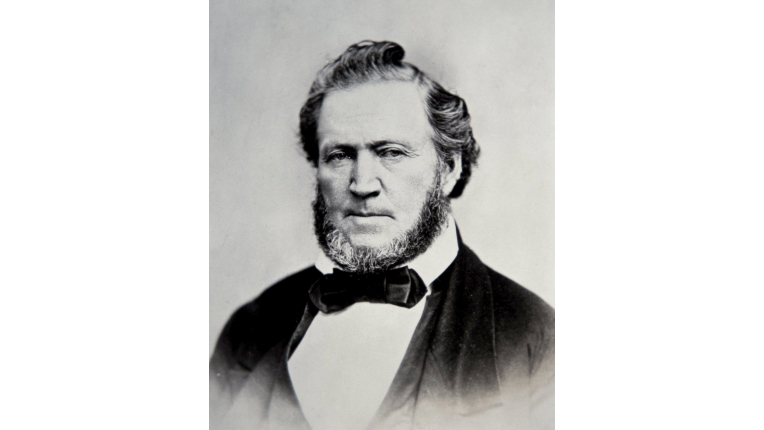
Brigham Young Speech on Slavery, Blacks, the Priesthood, and Blood Atonement
Governor Brigham Young argues against Orson Pratt’s support for Black suffrage based on the curse of Cain, which he said prohibits Blacks from the LDS priesthood (and, by extension, from voting or governance). Also, if White “seed” were to “mingle with the seed of Cain” it would bring whole generations under that curse, for which…
-
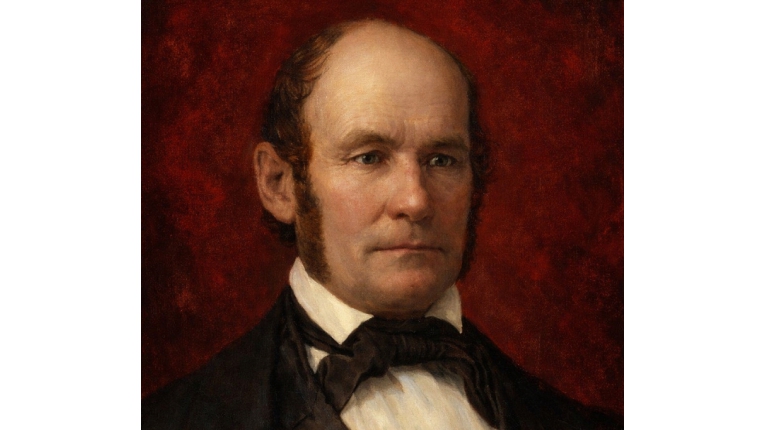
Heber C. Kimball Sermon: Blood Atonement
Heber C. Kimball (first counselor to Brigham Young in the First Presidency) preaches that he “can see right through” many hypocritical Latter-day Saints with hidden sin, but that they should obtain mercy if they repent. Those who are not repentant, or whose sin is unforgivable (shedding innocent blood, or sinning against the Holy Ghost) “are…
-
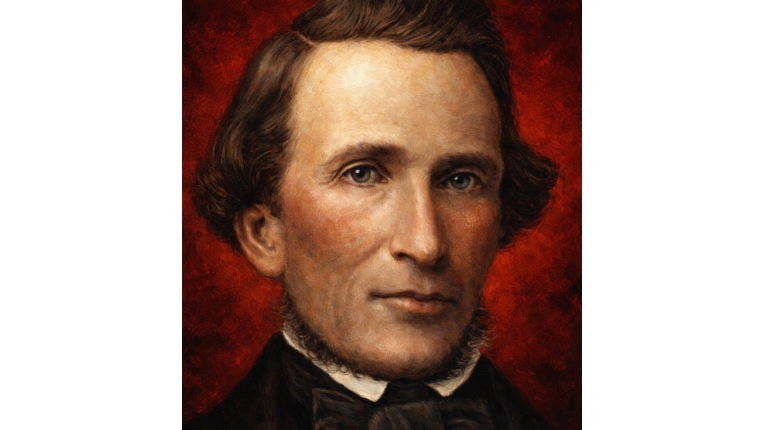
Jedediah M. Grant Sermon: Blood Atonement
Jedediah M. Grant (Brigham Young’s second counselor in the First Presidency) preaches that among the saints of Salt Lake City there was hardly a place “that is not full of filth and abominations,” requiring that many should “let your blood be shed . . . as an atonement for your sins, and that the sinners…
-
Joseph Smith Sermon: Plurality of Gods
Railing against his “apostate” critics, Joseph Smith claims to know, by revelation and by an enlightened understanding of the Bible, that there are countless other Gods like our own Heavenly Father.
-

Joseph Smith Sermon: King Follett Discourse
In this funeral sermon (for Elder King Follett), Joseph Smith encourages mourners by explaining that God is simply a man of flesh and blood, who “became God” by his own righteous efforts, thus extrapolating that we too can attain exaltation by doing likewise.
-
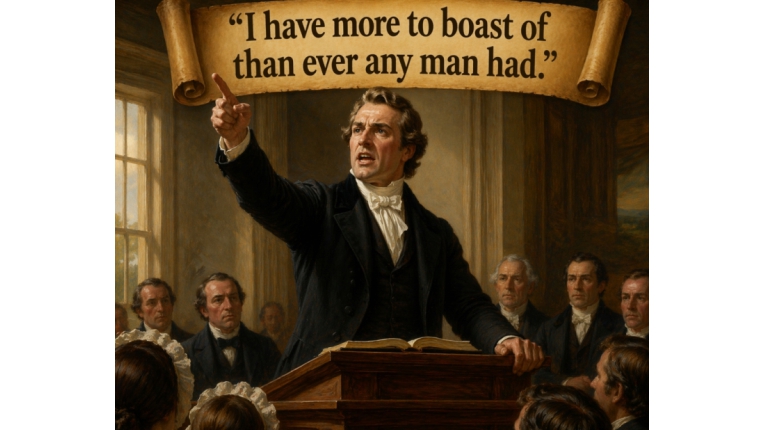
Joseph Smith Sermon: Boasting and Denial of Polygamy
Responding to criticisms of being a fallen prophet and promoting polygamy, Joseph Smith boasts of maintaining a church better than anyone (including Jesus), and claims to have only one wife (while he actually had more).